
Baby, You Are My Religion
The Lesbian Bar as Sacred Space
Second Edition · Routledge · 2027
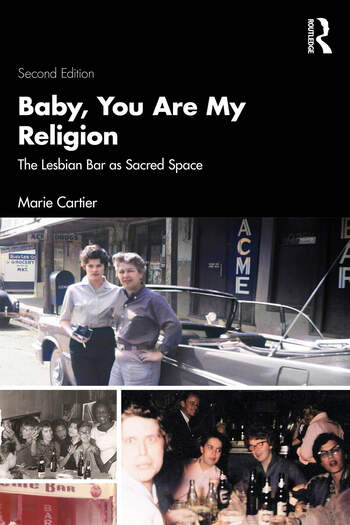
Baby, You Are My Religion is Marie Cartier’s oral-history and cultural study of gay women’s bar communities and a foundational work of lived lesbian and queer theology.
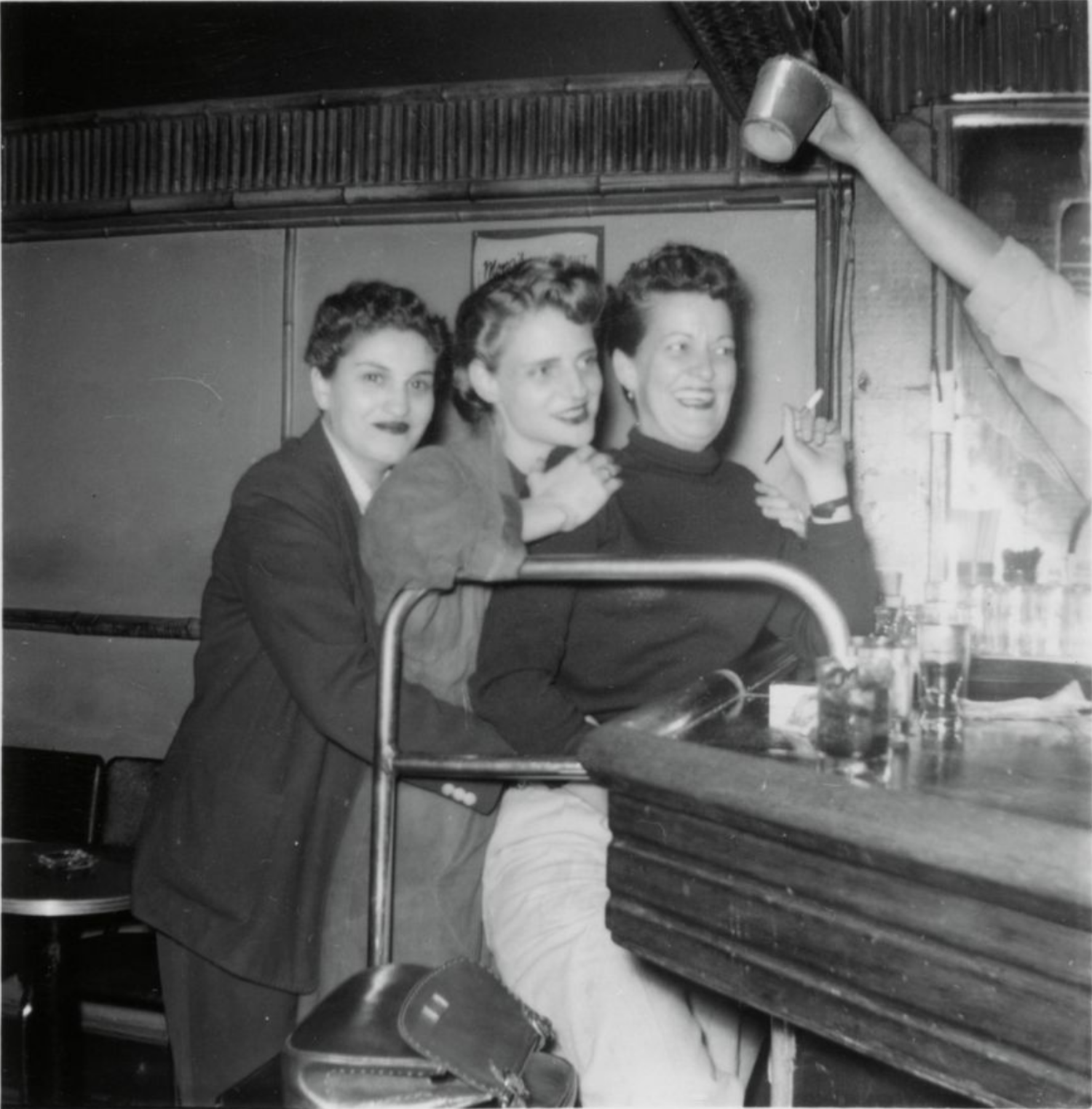
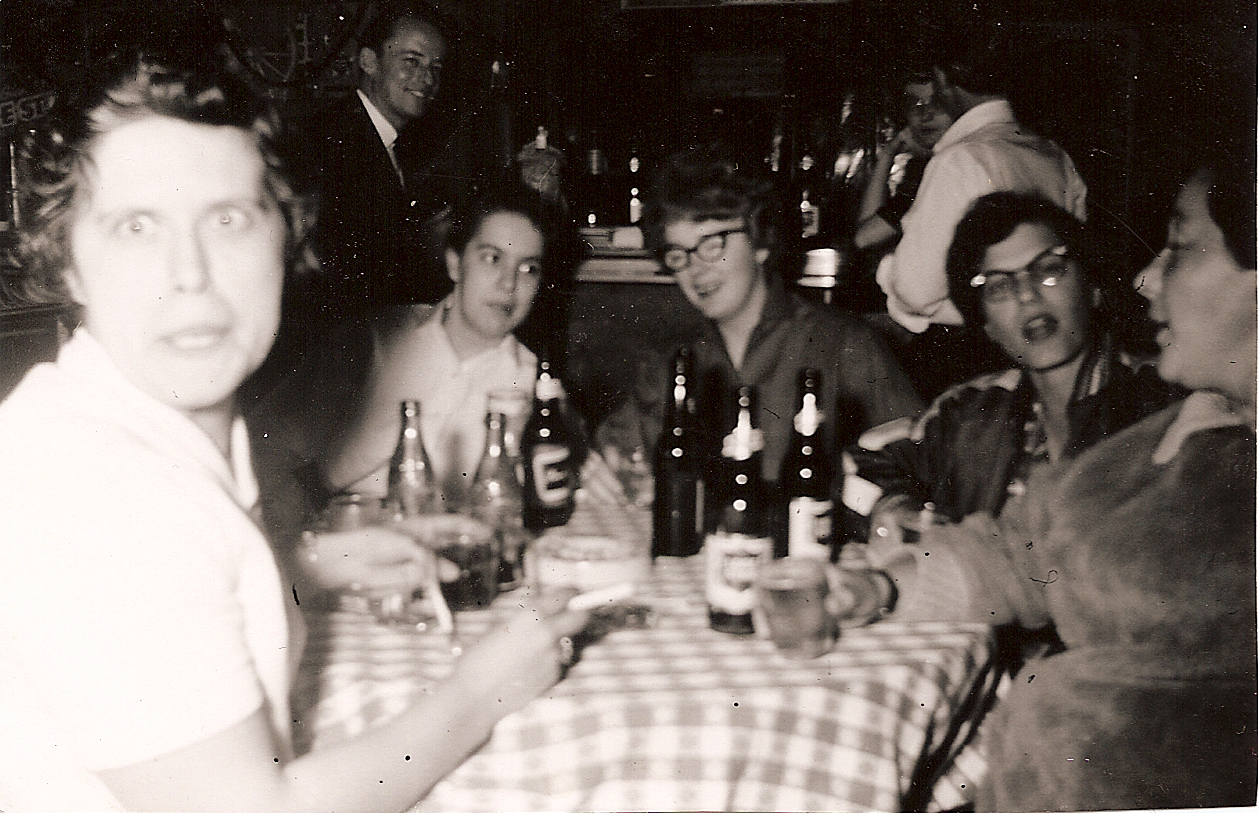
Drawing on more than one hundred oral histories, archival research, and theological inquiry, the book explores how lesbian bars from the 1940s through the 1980s functioned as far more than places to socialize. For women excluded from traditional religious and social institutions, they could become places of ritual, community, family, resistance, survival, and sacred experience.
The newly expanded second edition returns to Cartier’s original research while carrying its central questions into the present.
View the Second Edition at Routledge →
An Expanded Edition
More than a decade after its original publication, Baby, You Are My Religion is being substantially expanded with more than one hundred additional pages, new photographs, archival material, and new writing.
The expanded edition returns to the women, communities, and sacred spaces at the heart of the original work while placing its central questions in conversation with the profound cultural changes that have taken place since the book first appeared.
Marriage equality, the Pulse nightclub massacre, changing queer geographies, the disappearance of many lesbian bars, and new conversations about gender, identity, community, and belonging have reshaped the world in which the book is now being read.
The central question remains: what happens when people excluded from traditional religious life create sacred meaning and community for themselves?
The Research
More than a decade after its original publication, Baby, You Are My Religion is being substantially expanded with more than one hundred additional pages, new photographs, archival material, and new writing.
The expanded edition returns to the women, communities, and sacred spaces at the heart of the original work while placing its central questions in conversation with the profound cultural changes that have taken place since the book first appeared.
Marriage equality, the Pulse nightclub massacre, changing queer geographies, the disappearance of many lesbian bars, and new conversations about gender, identity, community, and belonging have reshaped the world in which the book is now being read.
The central question remains: what happens when people excluded from traditional religious life create sacred meaning and community for themselves?
The Lesbian Bar as Sacred Space
At the center of the book is the argument that gay women’s bars could function as more than social spaces.
For women excluded from many traditional institutions, these places could become sites of ritual, recognition, community, transformation, and meaning.
The book asks us to consider sacred space not only as something found within churches or formal religious traditions, but as something people may create together when they find one another.
Theelogy
One of the book’s central theoretical contributions is Marie Cartier’s concept of theelogy: a way of understanding the forms of sacred meaning women created through relationship, recognition, community, and shared experience.
Theelogy offers another way to think about what religion can mean and where sacred experience can occur.
Teaching the Book
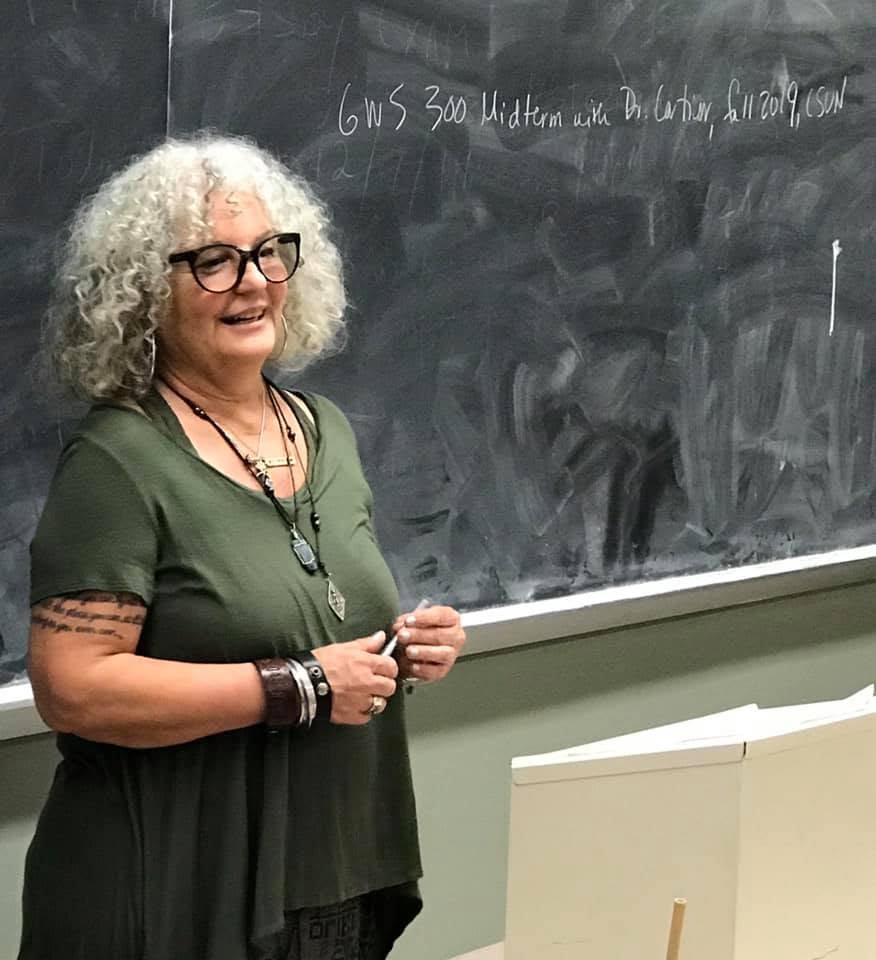
Baby, You Are My Religion is used in queer studies and gender and women’s studies courses to explore oral history, sacred space, cultural memory, community, religion, identity, and life before and after Stonewall.
The book also offers a foundation for conversations about ethnographic interviewing, oral history, working with elders, and developing research and creative projects from lived experience.
Explore Educational Resources →
The Second Edition
The second edition of Baby, You Are My Religion: The Lesbian Bar as Sacred Space is now published by Routledge.
Expanded to 392 pages, the new edition includes additional writing, a new foreword and afterword, and 30 black-and-white illustrations. It returns to the book’s original oral histories and central argument while extending the conversation into the present.
Praise for Baby, You Are My Religion
“Cartier’s book merits attention from historians of LGBT America and theorists of religion, for the richness of its primary material and the probing questions it poses about the functions and forms of religion.”
— Jennifer Rycenga, The Journal of American Culture
Read Reviews & Articles →Reviews and Articles