
Baby, You Are My Religion
The Lesbian Bar as Sacred Space
Baby, You Are My Religion is Marie Cartier’s oral history and cultural study of gay women’s bar communities before Stonewall. Drawing on more than one hundred interviews, archival research, and theological inquiry, the book asks not only where these women gathered, but what those places made possible.
The Lesbian Bar as Sacred Space
The Book

More than a decade after its original publication, Baby, You Are My Religion has been substantially expanded with more than one hundred additional pages, new photographs, archival material, and new writing.
The expanded edition returns to the women, communities, and sacred spaces at the heart of the original work, while placing its central questions in conversation with the profound cultural changes that have taken place since the first edition.
Theelogy
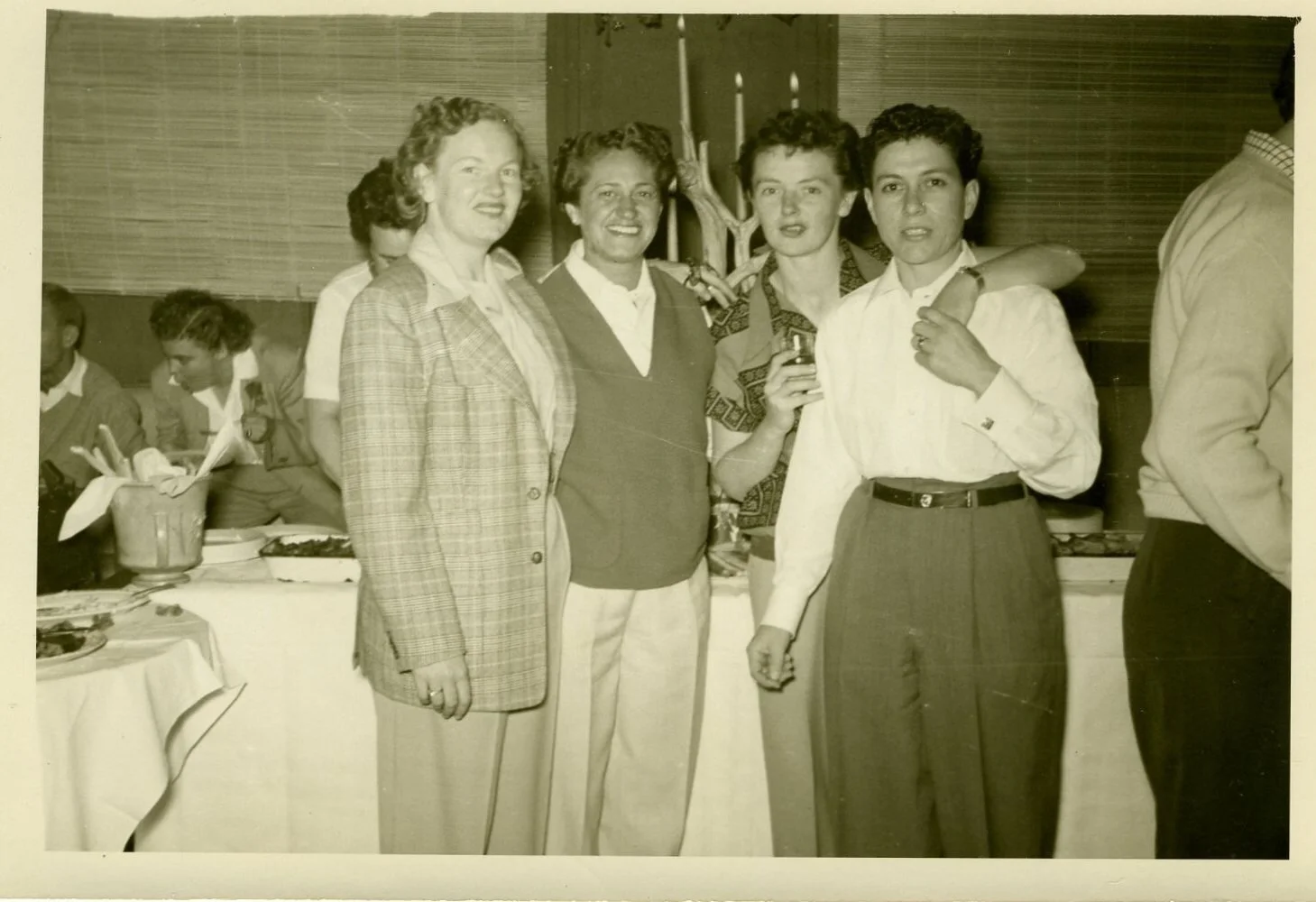
What happens when people excluded from religion create sacred meaning for themselves?
Marie Cartier calls it theelogy: a way of understanding the recognition, relationship, and community created within mid-century gay women’s bars as a form of sacred experience.
It is one of the central theoretical arguments of Baby, You Are My Religion.
FOR EDUCATORS
Baby, You Are My Religion is being used as a resource for exploring women’s spaces, queer history, religion, community, and life before Stonewall.
Start with the Remedial Herstory Project lesson plan, “What Did the Lesbian Bar Do for Women Pre-Stonewall?” Additional teaching resources will be added as the project grows.

THE DOCUMENTARY
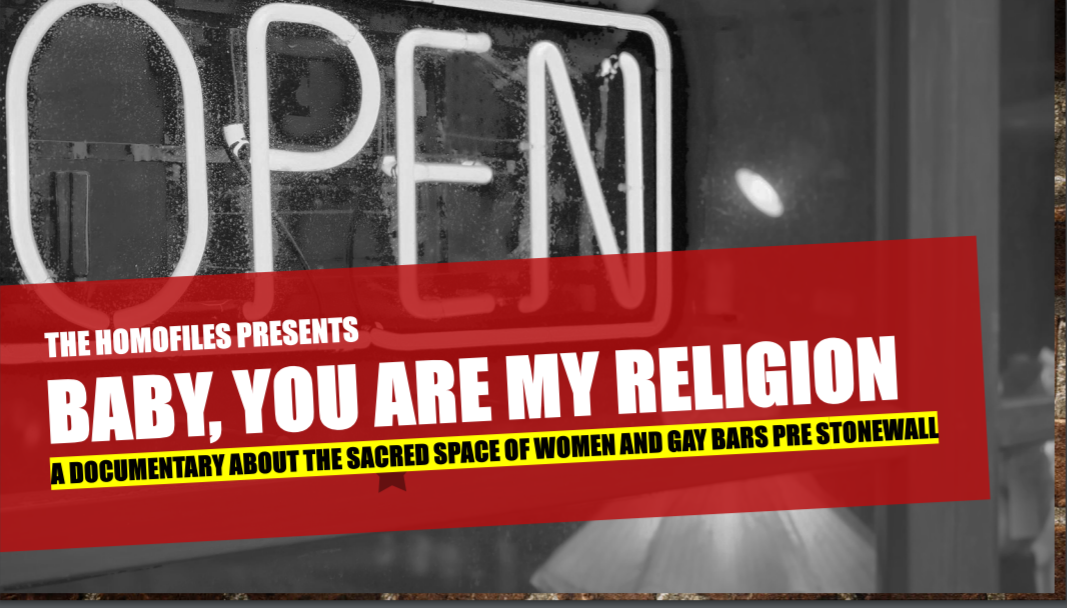
The Baby, You Are My Religion documentary is based on Marie Cartier’s book and brings its history to the screen through interviews, archival material, historic locations, and additional voices.
The film extends the book’s inquiry into the women, communities, and places that shaped gay women’s life before and after Stonewall.
VIDEO: MARIE CARTIER ON PULSE NIGHTCLUB, 2016
DYKE DIVE PODCAST
FROM THE ARCHIVE
Remnants of Resistance: ‘It’s 1950, Where Is My Lesbian Bar?
How did gay women find one another when there were no LGBTQ+ centers, searchable directories, or visible public communities?
Marie Cartier discusses the coded knowledge, informal networks, and often unlikely routes by which women found the bars—and one another.